



Gum disease and periodontics
What is periodontitis?
With a prevalence of around 45%, periodontitis is one of the most common gum diseases worldwide.
This bacterial inflammation affects the gums, the periodontal apparatus and the jawbone and, left untreated, leads to tissue loss, receding gums and ultimately tooth loss. Typical symptoms are often mild at first and can include red and bleeding gums, receding gums or loose teeth. In advanced stages, severe inflammation and pus formation are common. Early diagnosis and treatment are decisive if your teeth are to stay healthy in the long term.
At Züri Zahni, our experienced team of specialists is at your side to give you comprehensive care in preventing and treating periodontitis in Zurich.
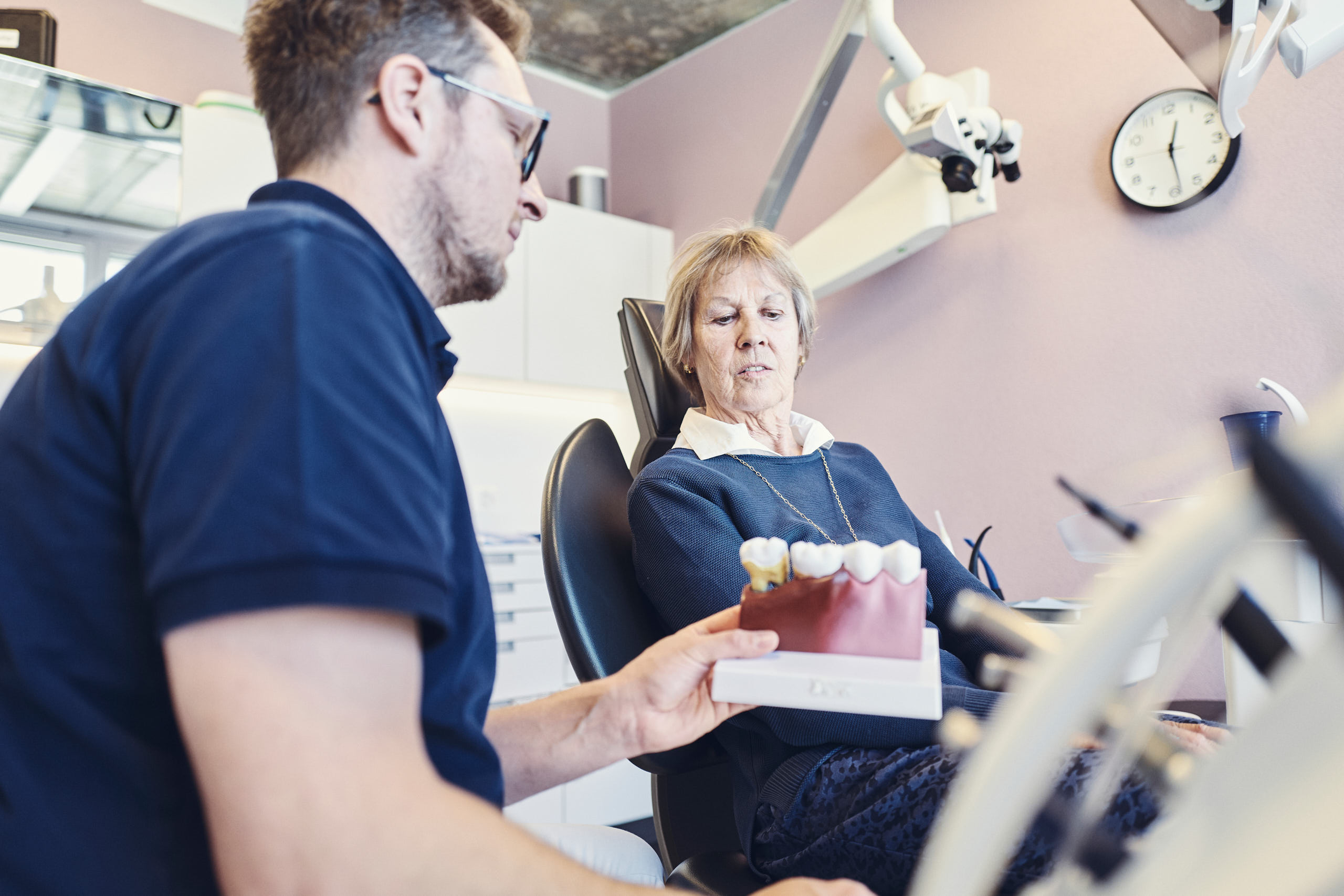
Why Choose Periodontics at Züri Zahni in Glattpark?

Individualized Care and Modern Treatment Methods
Our periodontist develops a personalized treatment strategy for you, based on scientifically proven therapy concepts and supported by the latest technology. All of this is designed to improve and promote your gum health.

Comprehensive and Regenerative Periodontitis Treatments
We offer both conservative (non-surgical) and open (surgical) treatments for periodontitis. When indicated, regenerative methods are used in combination on top. To enhance aesthetics and function of the gums, we propose different types of soft tissue surgeries and grafting procedures.

Focus on Prevention and Stability
Through preventive measures, regular check-ups, and dental hygiene appointments, we help you effectively prevent inflammation/infection of your gums and relapse of periodontitis, supporting you in maintaining stable oral health.
Interview with Delia Irani
We offer the full specialist range of periodontics

Professional Dental Hygiene and Comprehensive Periodontitis Therapies
We provide regular cleanings, check-ups, and traditional periodontitis treatments—both non-surgical and surgical—to support and enhance the health of your gums.
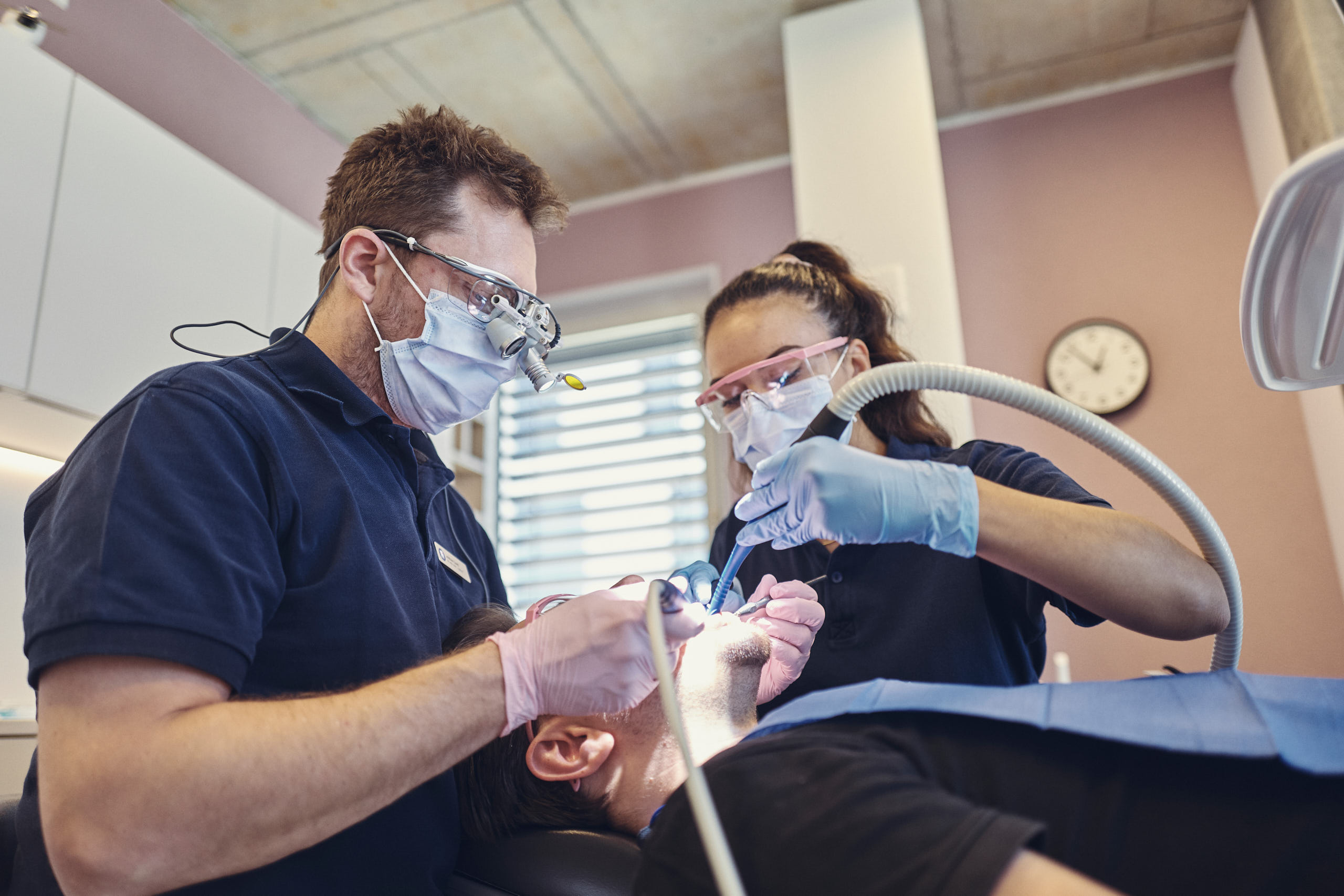
Recession Coverage, Gum Surgeries, and Bone Augmentation
Our procedures for soft tissue surgeries or covering exposed tooth roots help restore the aesthetics and function of your gums. Before implant placement, it may be necessary to augment the gum and/or the bone to ensure a successful procedure and a long-lasting result.
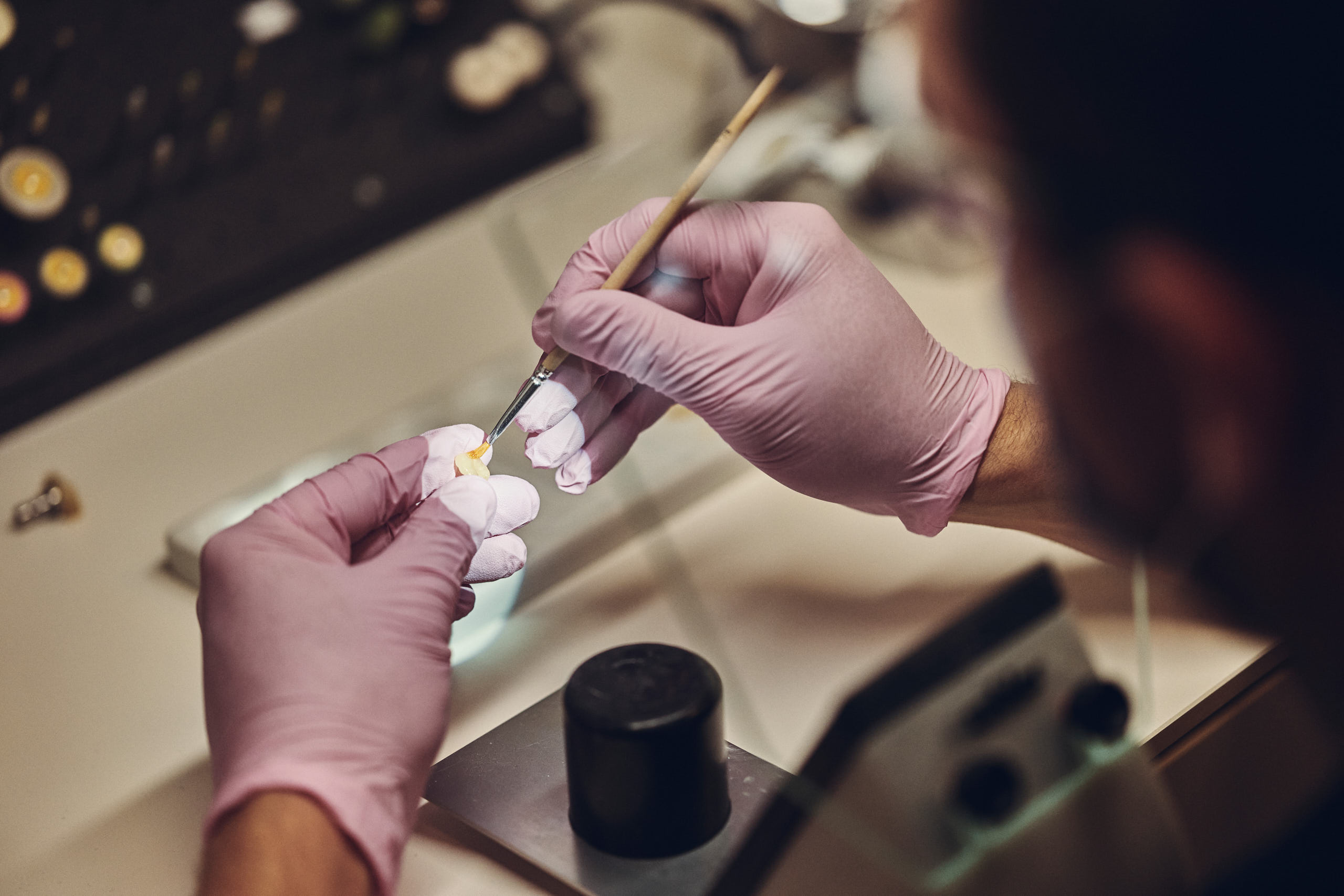
Implants and Peri-Implantitis Treatment
In addition to offering high-quality implant solutions for replacing lost teeth or supporting removable dentures, we also provide targeted treatments for infected implants and peri-implantitis.
WHAT OUR CUSTOMERS SAY ABOUT US

Elisa Sassi★★★★★ My teeth were never so well taken care of at a dentist before. Neither was I! I couldn’t be more pleased with my experience. Dr. Adrian Cano took the time to meet me and learn my story, so it was so easy to trust him even this being my first time there. My smile is more beautiful than ever PLUS I got to meet some really nice people and watch Netflix on the ceiling while he was getting his work done! Also, to the expats out there, apart from German, they speak English, Spanish and French.

Dana Duppong Triana★★★★★ after many years of not going to dentist because of fear .. it was necessary to give into that fear and I am so happy I have found Dr. Zimmermann and her team who treated me with care, understanding, patience and no judgement. The treatment received was well explained and procedures handled as gentle as possible and costs explained and were reasonable for treatment received. I highly recommend Dr. Zimmermann and her team.

Marie Claire Claus★★★★★ The work they do is top quality, I highly recommend them. I had many of my teeth fixed and now waiting for Invisalign treatment! I really appreciate that they spoke to me in English whilst providing me with an excellent painless service. I highly appreciate the call the day after each procedure to check if you are ok or if you have any pain! Keep this up, it shows that you care for you patients.

Xavier Tinguely★★★★★ Awesome high-tech dentist practice. I would highly recommend the place & Dr Cano. Love watching Netflix while having my teeth done! The team is also very professional and passionate about their job. Great experience

Paul Dirksen★★★★★ Admittedly... I don't think anyone is looking forward to going to the dentist. But going to Züri Zahni has always been a pleasure! Very friendly and professional staff. They know how to comfort you and they are very communicative in what will happen and why. On top of that, it is the first dentist that I encounter, that does follow-up calls with their clients to see how things are going the day after.

Vanessa B★★★★★ Very pleasant office, immediately felt welcomed and calm when I came in. They have a very friendly team and a relaxed atmosphere. Dr. Andrea Zimmermann was a great dentist. You can also watch Netflix during your treatment if you'd like to. 10/10 would recommend.

Nicole Aebersold★★★★★ We have been there with our son, 3 years old. he had to have his front tooth removed. everybody at the practice was very understanding and friendly - and of course the most important fact - very professional. thank you a lot!

Anne Carolina Ramos★★★★★ I've been at Züri Zahni in different times, for me and my children. Dr. Zimmermann and all the assistants are simple great! They are very friendly, careful and efficient. Moreover, they organise everything to make you feel at home (including netflix with headphones while they work). I strongly recommend them and I'm very happy to have them so close by!

Joanna G★★★★★ I highly recommend Zahnarztpraxis Zuri Zahni! Very professional and painless treatment, friendly doctors, transparent cost description, preventive recommendations for the future. PS. On top of it you can watch netflix ;-)

Nicolas Mottais★★★★★ For the first time in my life i was happy to go the dentist. Frau Zimmerman and her Team were welcoming and patient, they listen and advise me all the way. they were very professional but also very easy to talk to and very accomodating. highly recommend them.
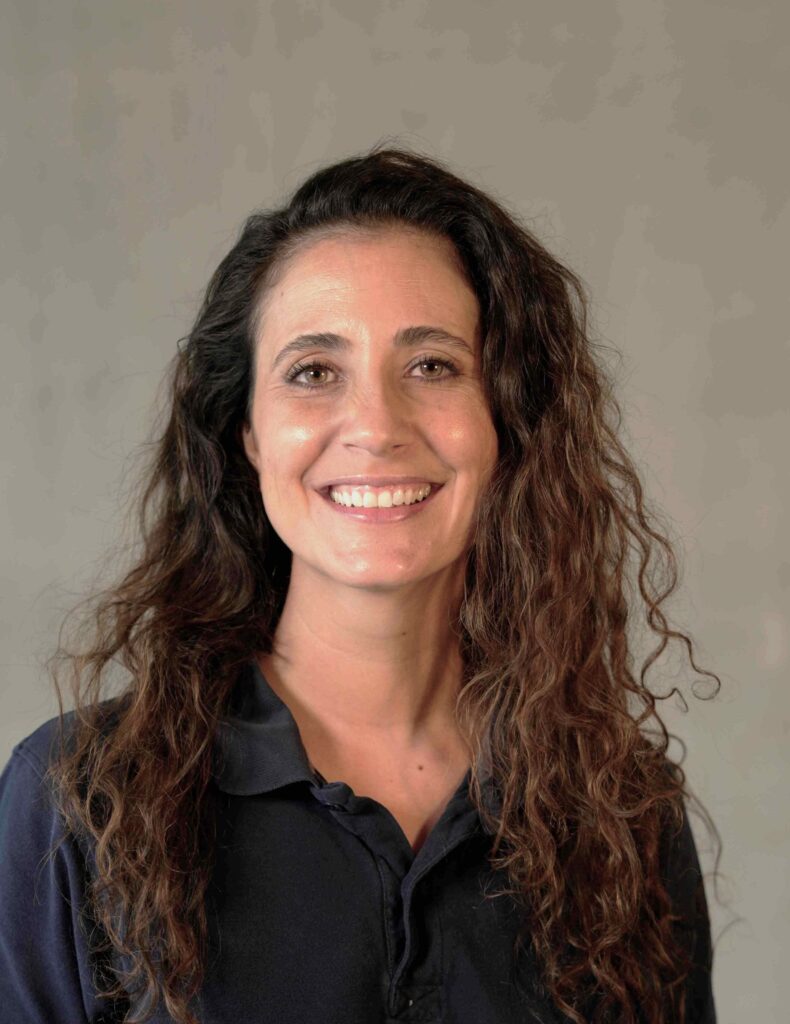
LET OUR EXPERTS ADVISE YOU
My name is Delia Irani and I head the periodontics and implantology team. Together with our dental hygiene specialists, we are ideally placed to offer you a wide range of treatment options for your gums and your periodontal apparatus.
Our periodontal treatments, tailored individually to you, are based on proven, clinically tested concepts, state-of-the-art technology and long-term personal care with careful follow-up. To stabilize your oral health for the long run, we offer regular check-ups and dental hygiene appointments. Relapses can then be spotted early and treated effectively with targeted support for your oral hygiene.
Book a consultation – we are happy to answer your questions and to tell you about the many treatment options Züri Zahni offers.
STILL HAVE QUESTIONS?
DO YOU WISH AN APPOINTMENT?
Questions & answers
What is periodontitis?
Periodontitis is one of the most common diseases worldwide, affecting about 40% of the population. It is a bacterial infection that affects the gums, periodontal apparatus, and bone, leading to their breakdown. If untreated, it results in severe inflammation, pus formation, and ultimately tooth loss.
How do I recognize periodontitis?
Periodontitis is usually painless, making it difficult to detect on your own. During regular dental hygiene sessions and check-ups, the so-called "pockets" in your gums are examined to identify any possible periodontitis. However, there are signs that may indicate periodontitis, such as bleeding and swollen gums, pus discharge, discomfort when chewing, bad breath, teeth shifting or loosening, receding gums, and lengthening of the teeth.
What are the causes and risk factors of periodontitis?
Various risk factors contribute to periodontitis. The main ones include poor oral hygiene, lack of regular dental hygiene appointments, smoking, and systemic diseases like uncontrolled diabetes. Genetic factors also play a role; a family history of periodontitis can increase the risk.
Are e-cigarettes a risk factor for periodontitis?
There are few studies on other forms of nicotine and/or tobacco consumption. E-cigarettes contain various chemicals that may be harmful to the gums and periodontal tissue. Additionally, the dry mouth caused by vaping could encourage bacterial growth, increasing the risk of periodontitis and cavities.
Can periodontitis be an issue during pregnancy?
Periodontitis can be exacerbated or triggered by hormonal changes. It is advisable to rule out or treat periodontitis before or during pregnancy, as inflammation can negatively impact the baby's birth weight and may be a risk factor for premature birth.
What are the treatment options for periodontitis?
Treating periodontitis is a team effort involving your dentist, dental hygienist, and yourself. It’s essential to improve your oral hygiene, especially in between teeth, reduce or quit smoking, and, if necessary, consult your general practitioner about any underlying conditions like diabetes.
What diagnostic procedures are used for periodontitis?
Periodontitis is diagnosed using clinical and radiological findings. This includes X-rays, detailed measurements, and photos. Additional tests, such as cold tests to evaluate nerves and plaque tests to assess oral hygiene, may be used. Sometimes, the IAI Padotest is used to identify the bacterial biome in the pockets.
How does periodontitis treatment proceed?
1. Improving oral hygiene: once the diagnosis has been made and the treatment plan discussed, the first step is to support you in improving your oral hygiene. If necessary, investigations are arranged with your family doctor's team. We will discuss possible steps towards cutting down on smoking with you and, where appropriate, refer you to further sources of support.
2. Non-surgical therapy: in the second step your gums are cleaned quadrant by quadrant, deep below the gumline inside the pockets, using local anesthetics. This step is the so-called "non-surgical therapy" and usually takes 2-4 hours, spread over 1 to 4 appointments. Where necessary, this step also includes removing teeth that cannot be saved, repairing decay/cavities, possibly root canal treatments or temporary restorations. Three months after the deep cleaning we reassess the situation. Everyone heals differently and every case of periodontitis looks a little different. At this point the treatment plan may be adjusted again.
3. Surgical therapy: the remaining pockets are cleaned again and a decision is made as to whether "surgical therapy" is needed. In this step the pockets are cleaned under direct vision, inflamed tissue is removed and, depending on the shape of the defect, the defects are filled with supporting materials. These procedures usually take between 1.5 and 2.5 hours per region.
4. Maintenance phase: the final step is the "maintenance phase". In this phase the periodontitis is kept stable with regular dental hygiene appointments and oral hygiene checks. The interval between these appointments is tailored specifically to you and depends on your oral hygiene, any remaining periodontal problems, your smoking habits and your personal needs.
Additionally, we use soft or diode lasers as supportive measures and prescribe antibiotics if needed to aid healing and reduce bacteria.
What are the side effects of periodontitis treatment?
After treatment, your previously swollen, bleeding, and reddened gums will heal, which may result in gum shrinkage, making your teeth appear longer. Spaces may form between teeth, trapping food particles. Teeth may also become more sensitive to cold, and previously connected teeth may feel looser.
What happens if I don’t treat periodontitis?
Tissue loss will continue until pockets and bacteria reach the tooth roots. At this stage, the tooth nerve may become infected, causing pain and pus, or the tooth may fall out. Additionally, bacteria can spread in the mouth, affecting other teeth. Periodontitis also negatively impacts overall health, such as diabetes and cardiovascular diseases.
Do I need surgical therapy?
If residual problems like deep pockets remain after "non-surgical therapy," surgical therapy is recommended to achieve periodontal stability. Success depends heavily on your oral hygiene, general health, and smoking habits.
Can periodontitis be cured?
Once periodontitis develops, it remains a lifelong condition. The goal is to achieve stability so that no further tissue loss occurs. This requires your cooperation, regular dental hygiene appointments, and dental check-ups.
How much does periodontitis treatment cost, and how long does it take?
Depending on the extent and severity of periodontitis, initial diagnosis and non-surgical therapy cost between 3,000 and 4,000 CHF. A detailed cost estimate will be provided at the beginning of treatment. Surgical interventions cost between 600 and 1,000 CHF per region. The non-surgical phase, where natural self-healing powers are leveraged, typically takes about 6 months. Afterward, surgical therapy or the maintenance phase with regular dental hygiene sessions begins.
Can periodontitis be transmitted?
Periodontitis bacteria can be mildly transmitted between individuals. However, for someone with an established microbiome and good oral hygiene, transmission is unlikely. In babies or young children, whose oral cavity contains few bacteria, avoiding transmission (e.g., through pacifiers, cutlery, or drinking cups) is essential.
Does having parents with periodontitis increase my risk?
Yes, a positive family history can increase the risk of developing periodontitis. Genetic factors play a significant role in susceptibility. If your parents have periodontitis, practicing good oral hygiene and having regular dental check-ups is crucial to ensure early diagnosis and treatment.
For more information, visit the official website of the Swiss Society of Periodontology: www.parodontologie.ch.