


Dental Hygiene at Züri zahni
Why Choose Dental Hygiene at Züri Zahni in Glattpark, Zurich?

Gentle Methods
We have the latest infrastructure and equipment to provide a dental cleaning that is both effective and gentle. Using a soft sandblasting nozzle and a fine ultrasonic tip, we remove tough deposits and stubborn stains, achieving excellent results while preserving your teeth.

Entertainment/TV
A dental cleaning typically lasts between 45 and 60 minutes. During this time, you can relax and enjoy your favorite series or movie on the ceiling-mounted TV. With noise-canceling headphones, you won't even notice the sounds of the treatment – the time will fly by.

Oral Hygiene Instruction and Automatic Recall
To ensure your oral health is maintained in the long term, we provide personalized instructions for optimal daily oral care. Our automatic recall system also reminds you of your next appointments, so you never miss a cleaning and can keep your dental health in check.
FIND OUT WHO WE ARE IN THIS SHORT VIDEO
We Offer the Full Range of Dental Hygiene Services
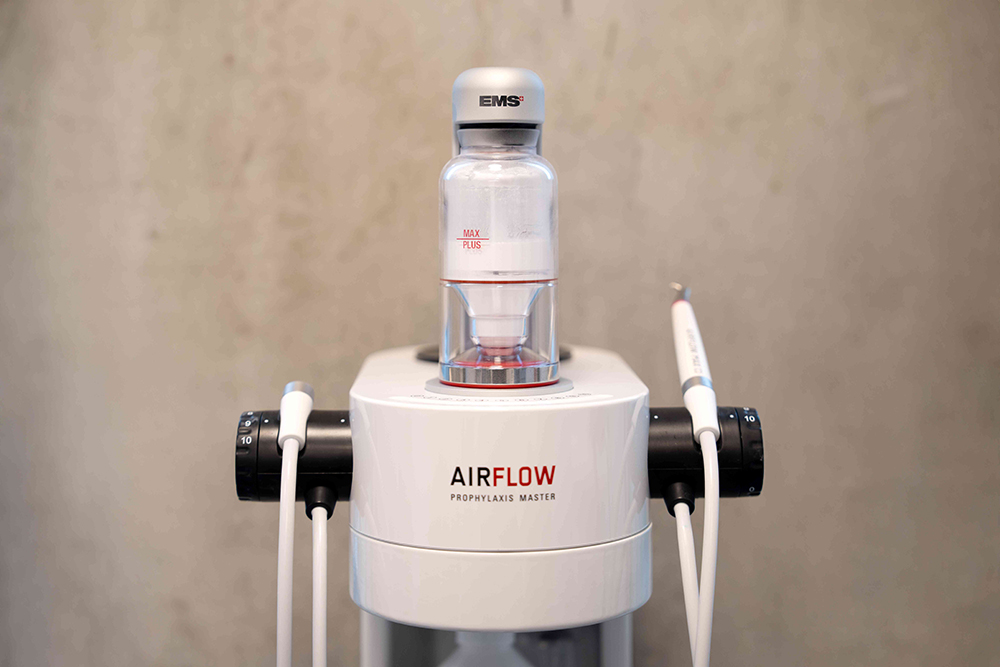
Air Polishing Device
Air polishing, also known as Airflow or the queen, is a modern method of professional tooth cleaning. It uses a fine jet of powder and water that meets the tooth surfaces gently. This allows plaque and stubborn staining to be removed effectively – without damaging the enamel.
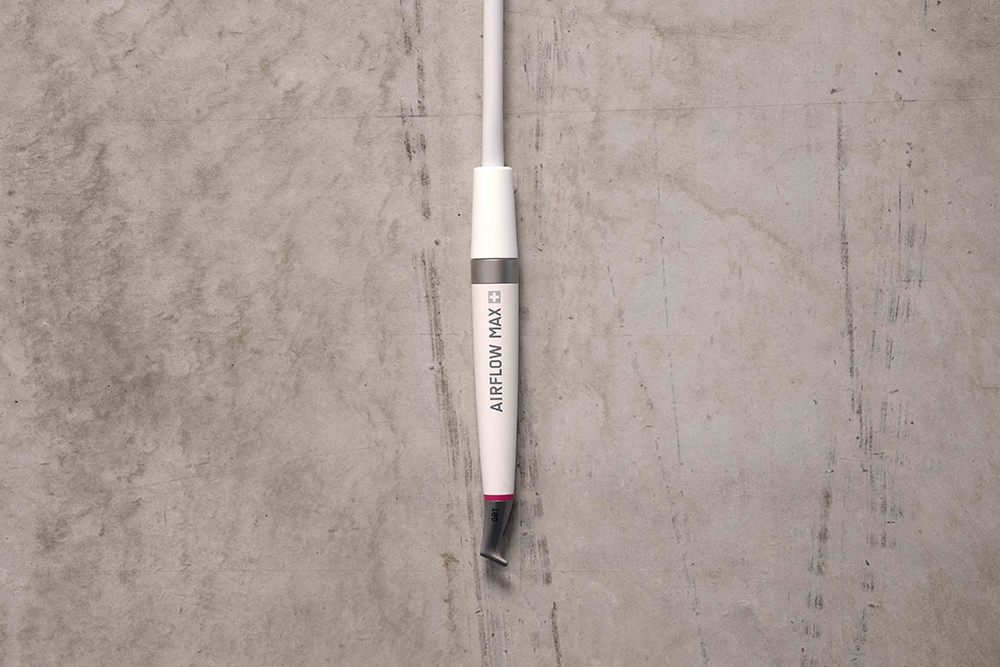
AIRFLOW benefits
The Airflow technique removes plaque and staining gently and without mechanical friction, which makes it especially kind to teeth and gums. It is also ideal for implants, crowns and bridges and gives patients a more comfortable clean, with no unpleasant scraping or feeling of pressure.
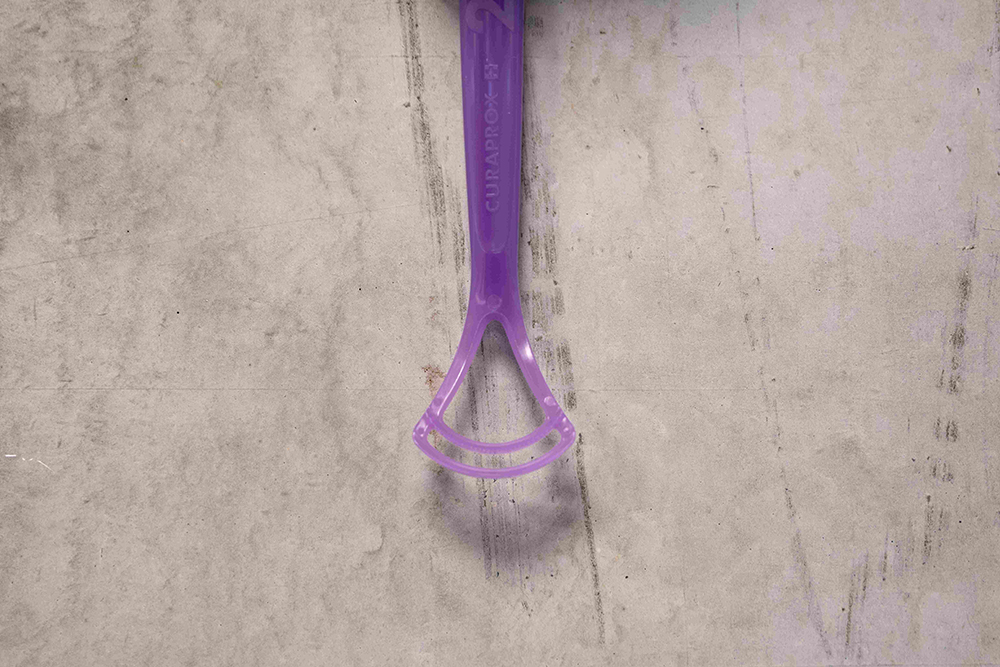
Tongue Cleaning
Comprehensive oral hygiene also includes cleaning the tongue, as it can harbor large amounts of bacteria that cause bad breath. Our dental hygienists use special suction tips and tongue gel to gently and effectively remove bacteria and deposits from the tongue, contributing to fresh breath.
WHAT OUR CUSTOMERS SAY ABOUT US

Elisa Sassi★★★★★ My teeth were never so well taken care of at a dentist before. Neither was I! I couldn’t be more pleased with my experience. Dr. Adrian Cano took the time to meet me and learn my story, so it was so easy to trust him even this being my first time there. My smile is more beautiful than ever PLUS I got to meet some really nice people and watch Netflix on the ceiling while he was getting his work done! Also, to the expats out there, apart from German, they speak English, Spanish and French.

Dana Duppong Triana★★★★★ after many years of not going to dentist because of fear .. it was necessary to give into that fear and I am so happy I have found Dr. Zimmermann and her team who treated me with care, understanding, patience and no judgement. The treatment received was well explained and procedures handled as gentle as possible and costs explained and were reasonable for treatment received. I highly recommend Dr. Zimmermann and her team.

Marie Claire Claus★★★★★ The work they do is top quality, I highly recommend them. I had many of my teeth fixed and now waiting for Invisalign treatment! I really appreciate that they spoke to me in English whilst providing me with an excellent painless service. I highly appreciate the call the day after each procedure to check if you are ok or if you have any pain! Keep this up, it shows that you care for you patients.

Xavier Tinguely★★★★★ Awesome high-tech dentist practice. I would highly recommend the place & Dr Cano. Love watching Netflix while having my teeth done! The team is also very professional and passionate about their job. Great experience

Paul Dirksen★★★★★ Admittedly... I don't think anyone is looking forward to going to the dentist. But going to Züri Zahni has always been a pleasure! Very friendly and professional staff. They know how to comfort you and they are very communicative in what will happen and why. On top of that, it is the first dentist that I encounter, that does follow-up calls with their clients to see how things are going the day after.

Vanessa B★★★★★ Very pleasant office, immediately felt welcomed and calm when I came in. They have a very friendly team and a relaxed atmosphere. Dr. Andrea Zimmermann was a great dentist. You can also watch Netflix during your treatment if you'd like to. 10/10 would recommend.

Nicole Aebersold★★★★★ We have been there with our son, 3 years old. he had to have his front tooth removed. everybody at the practice was very understanding and friendly - and of course the most important fact - very professional. thank you a lot!

Anne Carolina Ramos★★★★★ I've been at Züri Zahni in different times, for me and my children. Dr. Zimmermann and all the assistants are simple great! They are very friendly, careful and efficient. Moreover, they organise everything to make you feel at home (including netflix with headphones while they work). I strongly recommend them and I'm very happy to have them so close by!

Joanna G★★★★★ I highly recommend Zahnarztpraxis Zuri Zahni! Very professional and painless treatment, friendly doctors, transparent cost description, preventive recommendations for the future. PS. On top of it you can watch netflix ;-)

Nicolas Mottais★★★★★ For the first time in my life i was happy to go the dentist. Frau Zimmerman and her Team were welcoming and patient, they listen and advise me all the way. they were very professional but also very easy to talk to and very accomodating. highly recommend them.

LET OUR EXPERTS ADVISE YOU
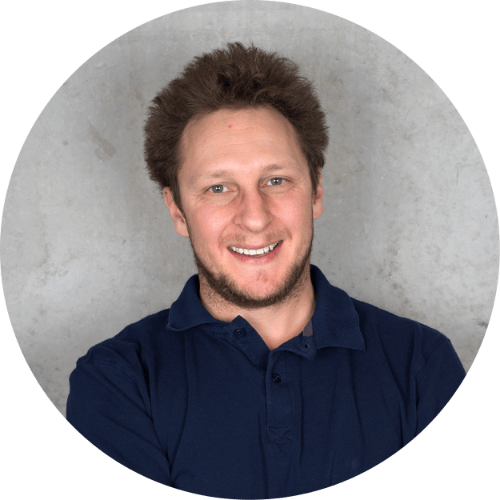
My name is Adrian Cano, and I am responsible for the Dental Hygiene and Preventive Care at Züri Zahni. Together with our experienced team of dental hygiene professionals, including prophylaxis assistants and dental hygienists, we are well-equipped to provide you with a thorough, personalized dental cleaning tailored to your needs.
With the latest technology and individual care tips, we help you optimize your daily oral hygiene routine, keeping your teeth healthy and beautiful in the long run. We work closely with you to understand your personal needs and offer you a comfortable and customized treatment.
Schedule a professional dental cleaning appointment at Züri Zahni and discover how pleasant and effective dental hygiene can be. We look forward to helping you achieve a fresh and radiant smile!
STILL HAVE QUESTIONS?
DO YOU WISH AN APPOINTMENT?
Questions & answers
What is the difference between dental hygiene, professional teeth cleaning and prophylaxis?
In a professional teeth cleaning, which is regarded as part of dental hygiene, work is done on the tooth surfaces that lie above the gumline. They are freed of plaque and tartar, after which the interdental spaces are cleaned. Finally, all tooth surfaces are polished. This kind of cleaning falls within the remit of the prophylaxis assistant.
Dental hygiene additionally removes plaque and tartar located in the gum pockets or below the gumline. Only dentists and specially trained dental hygienists are permitted to carry out this form of cleaning.
The term prophylaxis refers to all measures taken for the prevention of disease of any kind. This includes both the daily tooth care or oral hygiene you carry out at home as a patient and the periodic professional cleaning and dental hygiene.
What is the cost of dental hygiene or professional teeth cleaning?
The cost of our prophylaxis depends on the work the treatment involves and is calculated in a clearly structured way according to the type of treatment.
Where periodontal conditions are healthy, we offer a flat rate of CHF 190.– (PA) or CHF 230.– (DH) per session.
For periodontitis treatment with pocket charting, billing is by time and individual service according to the SSO tariff.
Age-dependent flat rates apply for children:
- up to 6 years CHF 95.– - 6–12 years CHF 135.– - from 12 years CHF 190.– (same as adults, without braces)
With fixed appliances, prophylaxis costs CHF 135.– (good oral hygiene) or CHF 190.– (with poor oral hygiene or additional work).
In exceptional cases with heavy plaque build-up, subgingival tartar or very poor oral hygiene, the work involved may make a second session necessary – for example in two stages (upper/lower jaw) or split between PA and DH. In such cases the corresponding flat rate is charged again for the additional session.
How often is a dental hygiene visit necessary?
We recommend one appointment a year for professional cleaning in the form of dental hygiene. Depending on your oral hygiene or dental health, however, up to four appointments a year may be necessary.
Even with good oral hygiene there are spots that are hard to reach when cleaning at home every day, so that the build-up of plaque and tartar is almost impossible to prevent.
If your oral hygiene is not sufficient, if you tend to form tartar or to pick up staining, if the position of your teeth makes daily oral hygiene difficult, or if you suffer from gum disease or gum inflammation, then we recommend going for dental hygiene two to four times a year.
How does dental hygiene work and how long does it take?
For a dental hygiene appointment, please allow one hour of your time.
A dental hygiene appointment runs exactly as follows:
- To begin with, we use the ultrasonic device or mechanical hand instruments to remove carefully and gently the tartar and heavy staining that have built up above and below the gumline as well as in the gum pockets. - To achieve the best possible results, in a second step we use, for removing soft plaque and any remaining staining, an Air Polishing Device (Air-Flow from EMS). Often a small brush head with a coarse paste is used as well. - The interdental spaces are then cleaned with dental floss or fine interdental brushes. - In a final step, all teeth are polished with a fine-grained paste until the tooth surface shines beautifully again. - To finish the dental hygiene appointment, all tooth surfaces and grooves are painted with a fluoride varnish or fluoride gel to strengthen the enamel and thus help prevent decay.
After the dental hygiene appointment we recommend not eating or drinking for at least one hour.
We are happy to advise you on your personal oral hygiene and to give you tips for home, so that together we can achieve optimal oral health.
Does dental hygiene carry any risks?
Dental hygiene is regarded as very low-risk.
If you have a congenital heart or heart valve defect, we recommend discussing beforehand with your dentist and your family doctor whether antibiotic cover is needed. During manipulation of the mucous membranes, bacteria can enter the bloodstream and provoke inflammation of the heart valves and the inner lining of the heart. Depending on the heart defect or on a procedure you have had, antibiotics must be taken one hour before dental procedures or before dental hygiene, in order to kill immediately any bacteria that enter the blood during treatment.
If you take blood-thinning medication you should tell your dentist and your dental hygienist, so that heavier bleeding during the dental hygiene appointment is interpreted correctly.
How often should I brush my teeth?
For adults we recommend brushing the teeth two to three times a day with a fluoride toothpaste — ideally in the morning, at midday and in the evening after eating.
For children we recommend brushing the teeth once a day in the first year of life, twice in the second and three times a day from the second year onwards — and until their sixth birthday we advise a fluoride toothpaste with an adjusted fluoride concentration, because spitting out does not work well yet and children often still swallow the toothpaste.
Thorough brushing takes 3 minutes and should always be done systematically, in the same order.
How and how often should I clean between my teeth?
The interdental spaces should be cleaned daily with dental floss or interdental brushes to remove plaque.
You do not need to use toothpaste to clean between your teeth.
Regular or electric toothbrush – which is more efficient?
An electric toothbrush is considerably more efficient at cleaning than a conventional manual toothbrush. Among electric toothbrushes a distinction is made between oscillating toothbrushes and sonic toothbrushes. With the oscillating toothbrush a round brush head that rotates back and forth in a circular motion does the cleaning.
The sonic toothbrush has an elongated brush head and, by means of an electric sound transducer, generates a high frequency of movement which is then transferred to the brush head. The high-frequency movements loosen stubborn plaque and additionally flush through the interdental spaces.